$8.40
Original: $23.99
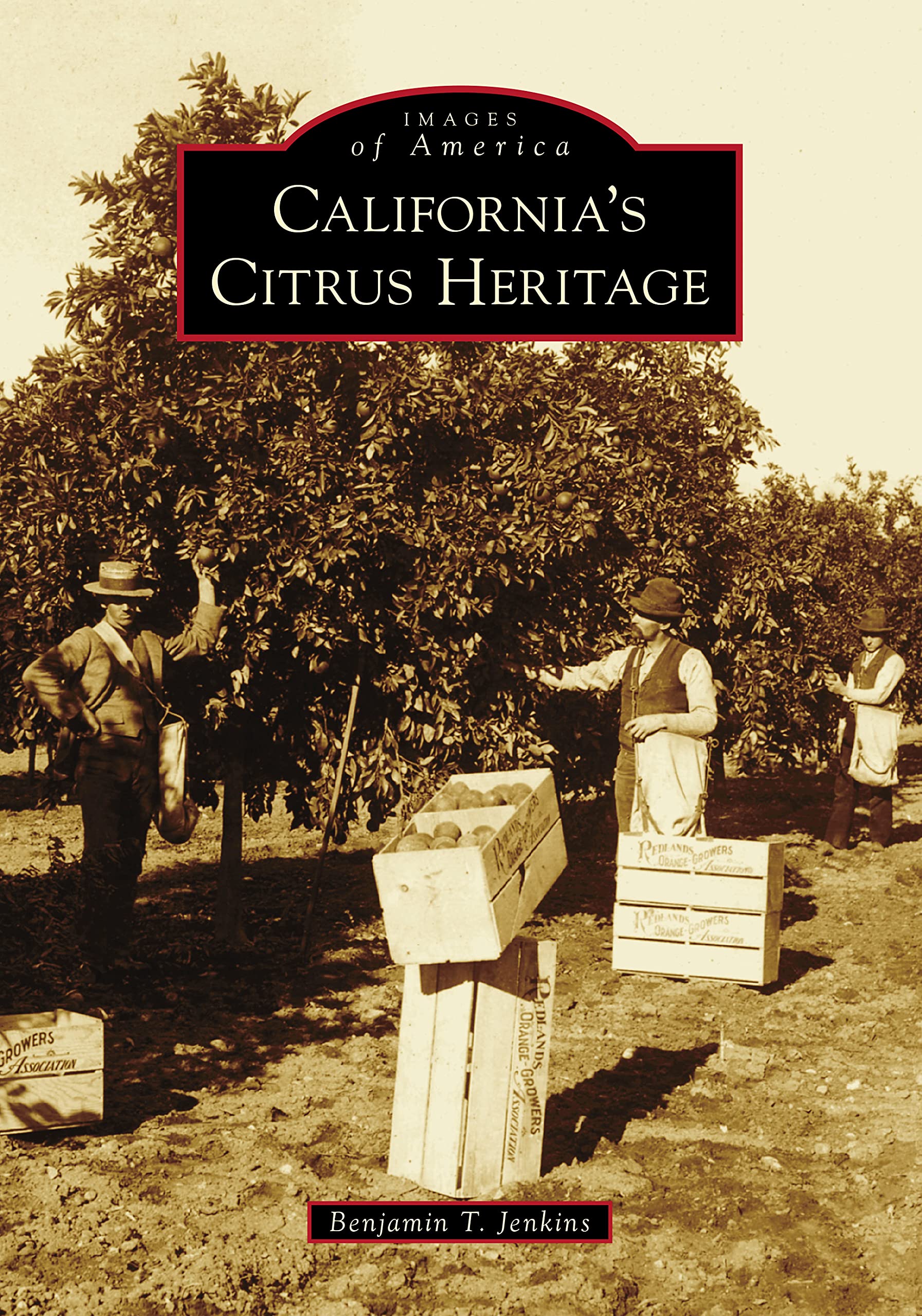
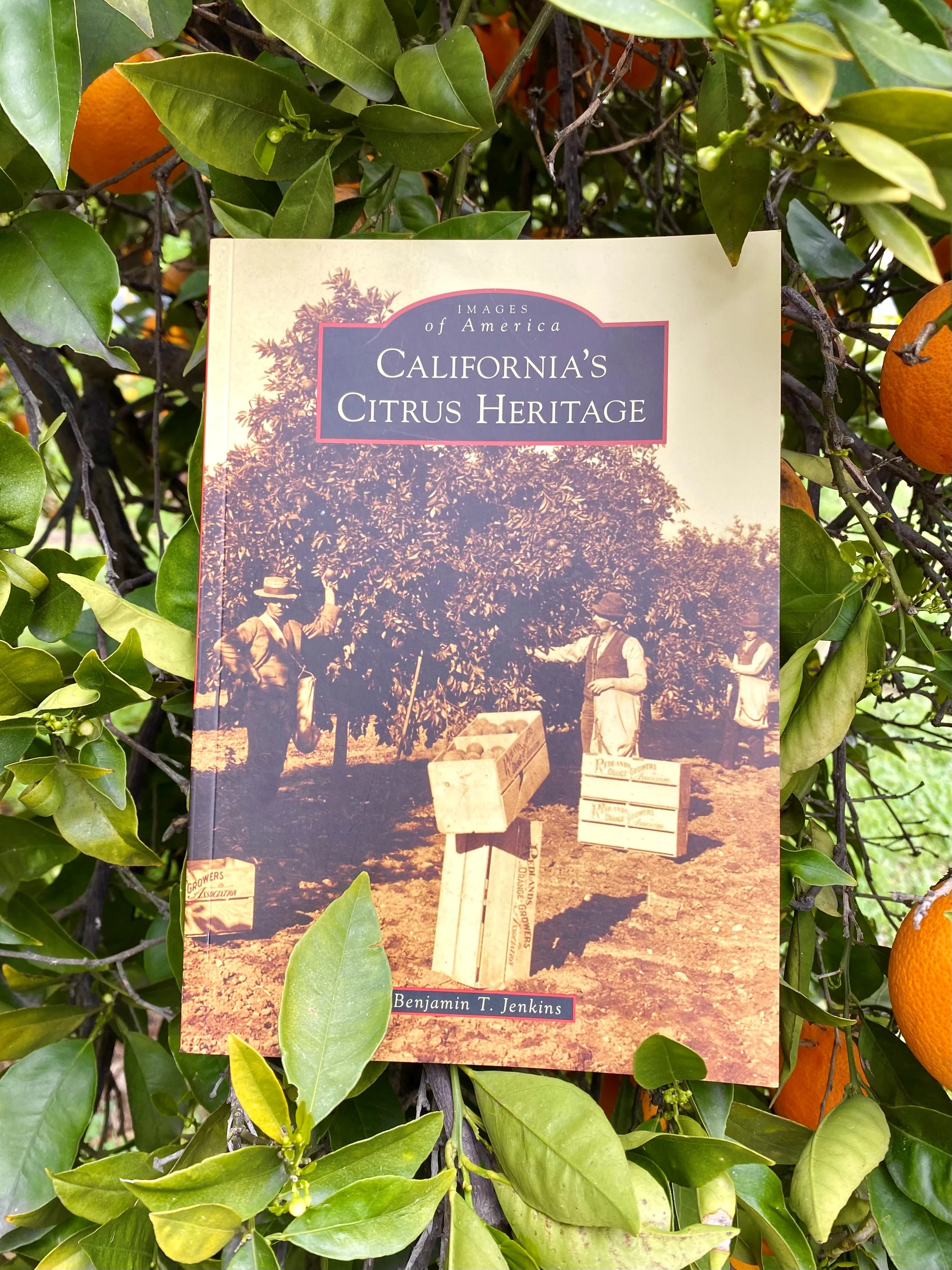
-65%CALIFORNIA'S CITRUS HERITAGE—
$23.99
$8.40The Story
Since the first appearance of oranges at the Franciscan missions in the early 19th century, citrus agriculture has been an inextricable part of California's heritage.
From the 1870s to the 1960s, oranges and lemons were dominant features of the Southern California landscape. The Washington navel orange, introduced by homesteader Eliza Tibbets at Riverside in the 1870s, precipitated the rise of a citrus belt stretching from Pasadena (in the San Gabriel Valley) to Redlands (in San Bernardino County). Valencia oranges dominated Orange County south of Los Angeles, while lemons thrived in coastal settlements such as Santa Paula.
With the arrival of transcontinental railroads in the citrus heartland by the 1880s, Californians had access to markets across the United States. This was followed by the subsequent establishment of an impressive central organization in the form of the California Fruit Growers Exchange, and oranges became the state's most lucrative crop. Observers did not exaggerate when they dubbed the southern portion of the Golden State an orange empire.
- 127 pages
- Softcover
Details & Craftsmanship
Every detail has been carefully considered to bring you the perfect product.
Description
Since the first appearance of oranges at the Franciscan missions in the early 19th century, citrus agriculture has been an inextricable part of California's heritage.
From the 1870s to the 1960s, oranges and lemons were dominant features of the Southern California landscape. The Washington navel orange, introduced by homesteader Eliza Tibbets at Riverside in the 1870s, precipitated the rise of a citrus belt stretching from Pasadena (in the San Gabriel Valley) to Redlands (in San Bernardino County). Valencia oranges dominated Orange County south of Los Angeles, while lemons thrived in coastal settlements such as Santa Paula.
With the arrival of transcontinental railroads in the citrus heartland by the 1880s, Californians had access to markets across the United States. This was followed by the subsequent establishment of an impressive central organization in the form of the California Fruit Growers Exchange, and oranges became the state's most lucrative crop. Observers did not exaggerate when they dubbed the southern portion of the Golden State an orange empire.
- 127 pages
- Softcover